


Blog List
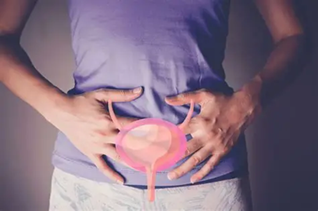
A Nutrition Guide to Better Bladder Health
Maintaining a healthy bladder is an essential part of overall wellness, yet this area of health is often overlooked until symptoms begin to appear. Bladder health is not only about preventing infections; it also involves supporting the urinary tract’s natural defenses, maintaining a balanced microbial environment, and ensuring smooth functioning of the entire system. Diet plays a surprisingly influential role in all of these processes.
The foods and fluids consumed each day can influence how comfortably the bladder functions. Certain nutrients support natural immune defenses and help reduce inflammation, while others may increase sensitivity in some individuals. Understanding these dietary effects helps establish habits that contribute to long-term bladder well-being.
Foods and Dietary Habits That Support Bladder Health
Adequate Hydration
Drinking enough water throughout the day helps keep urine dilute, reducing irritation and lowering the risk of infection. Mild, caffeine-free herbal teas such as chamomile or mint can be included as gentle alternatives.
Hydration Tips
- Consume 1.5–2 liters of water daily (unless medically restricted).
- Sip smaller amounts regularly instead of large volumes at once to reduce urgency in sensitive individuals.
- Limit fluid intake 2 hours before bedtime to help reduce nighttime urination.
Fiber-Rich Foods
Fiber supports digestive regularity and helps prevent constipation—a common factor that increases pelvic pressure on the bladder. Vegetables like green beans, carrots, cucumbers, and leafy greens, along with whole grains and non-acidic fruits such as bananas and pears, are gentle and beneficial options.
Lean Proteins
Skinless poultry, fish, legumes, and tofu provide high-quality protein without excessive fat or salt. When combined with whole grains and vegetables, these foods support metabolic balance, indirectly benefiting bladder function.
Probiotics and Gut-Friendly Foods
Curd, yogurt, and other fermented preparations help maintain a healthy gut microbiome. A balanced gut environment supports immune function and reduces the chance of harmful bacteria affecting the urinary tract. Pairing probiotics with fiber improves digestion and helps relieve bladder pressure related to constipation.
Foods and Drinks That May Irritate the Bladder
Sensitivity varies between individuals, but certain foods and beverages commonly trigger discomfort:
- Caffeinated drinks such as coffee, strong tea, and energy drinks.
- Carbonated beverages, including regular and diet sodas.
- Highly acidic foods like citrus fruits, tomatoes, tomato-based dishes, and vinegar.
- Spicy or heavily seasoned dishes containing chilli, pepper, or artificial flavor enhancers.
- Artificial sweeteners and sugary processed foods, including packaged sweets and diet sodas.
Because triggers differ from person to person, maintaining a simple food and bladder diary may help identify patterns and support more personalised adjustments.
Lifestyle Habits That Complement a Bladder-Friendly Diet
- Regular voiding helps prevent irritation from holding urine too long.
- Maintaining a healthy body weight reduces pressure on the bladder and pelvic floor.
- Physical activity supports digestion, fluid balance, and urinary function.
- Preventing constipation through hydration, fiber, and movement decreases pelvic pressure and promotes comfort.
Conclusion
Bladder health is influenced by simple, everyday habits. Consistent hydration, balanced eating, regular activity, and awareness of personal triggers can gradually support better bladder comfort. If symptoms such as burning, urgency, nighttime urination, or changes in urine colour or odour continue despite these measures, a medical evaluation is advisable to rule out underlying concerns. Small adjustments over time can make a noticeable difference in overall urinary well-being.