


Pancreatic Cancer
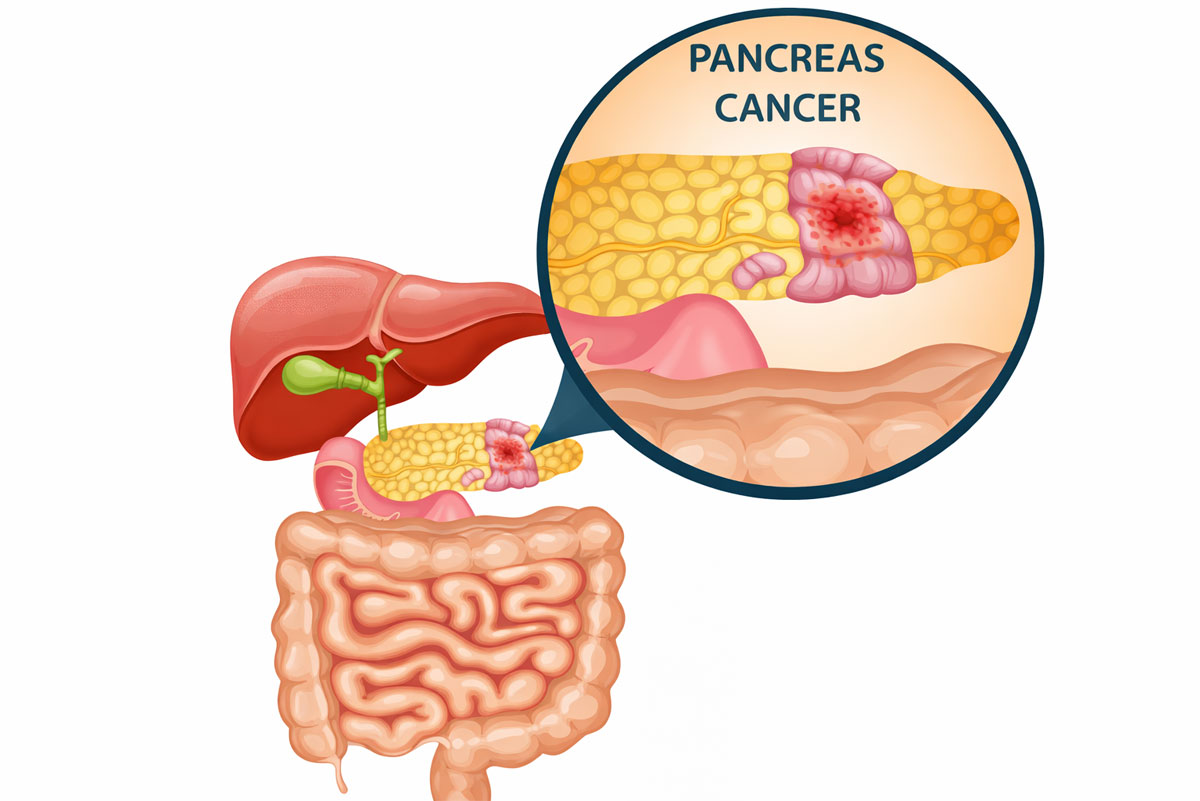
What is Pancreatic Cancer?
Pancreatic cancer starts in the tissues of the pancreas, an important organ located behind the stomach. The pancreas helps in digestion and controls blood sugar by producing insulin. Pancreatic cancer occurs when abnormal cells in the pancreas grow uncontrollably and form a tumor.
This cancer is often called a “silent killer” because it may not show symptoms in early stages, making early detection difficult. However, advancements in testing and treatment are helping patients live longer and better.
Signs & Symptoms

If you experience symptoms, you may observe that:

Persistent abdominal or back pain
Unexplained weight loss
Loss of Appetite
Jaundice (yellowing of eyes and skin)
Dark urine and pale stools
Fatigue or weakness
New-onset diabetes, especially after age 50
Who Is at Risk?
Anyone can get pancreatic cancer, but certain factors increase the risk:
- Age over 60
- Smoking and tobacco use
- Family history of pancreatic or other cancers
- Chronic pancreatitis (long-term inflammation of the pancreas)
- Obesity and diabetes
- Heavy alcohol use
- Certain genetic conditions (e.g., BRCA mutation, Lynch syndrome)
Types of Pancreatic Cancer
1. Exocrine Tumors (most common)
- Start in cells that help with digestion
- The most common type is Pancreatic Ductal Adenocarcinoma (PDAC)
2. Neuroendocrine Tumors
- Rarer, arise from hormone-producing cells
- Often have a better prognosis if caught early
Can Pancreatic Cancer Be Prevented?
While not always preventable, you can reduce your risk by:
- Quitting smoking
- Maintaining a healthy weight
- Eating a balanced diet rich in fruits, vegetables, and whole grains
- Managing diabetes effectively
- Avoiding heavy alcohol consumption
- Knowing your family history and discussing genetic testing if needed
Tests and Diagnosis
Physical Examination & Blood Tests
Basic evaluation and liver function tests if jaundice is present
Tumor Markers
CA 19-9 is a blood test often elevated in pancreatic cancer
Imaging Tests
Ultrasound: First step if jaundice or pain is present
CT Scan or MRI: Detailed imaging to detect tumors and assess spread
Endoscopic Ultrasound (EUS): A special test using an endoscope to get close to the pancreas and take tissue samples
ERCP (Endoscopic Retrograde Cholangiopancreatography): Helps examine bile ducts and relieve blockage
Biopsy
A small tissue sample is collected (via EUS or CT-guided biopsy) to confirm the diagnosis
Food For Better Health
Videos List
Diet is an essential part of healthy living ,below you can find regional diet plan that can help you with your Lifestyle modification.